 (719) 917-1000

28 Sep Who Is Responsible For Slip And Fall Accidents In Public Places?
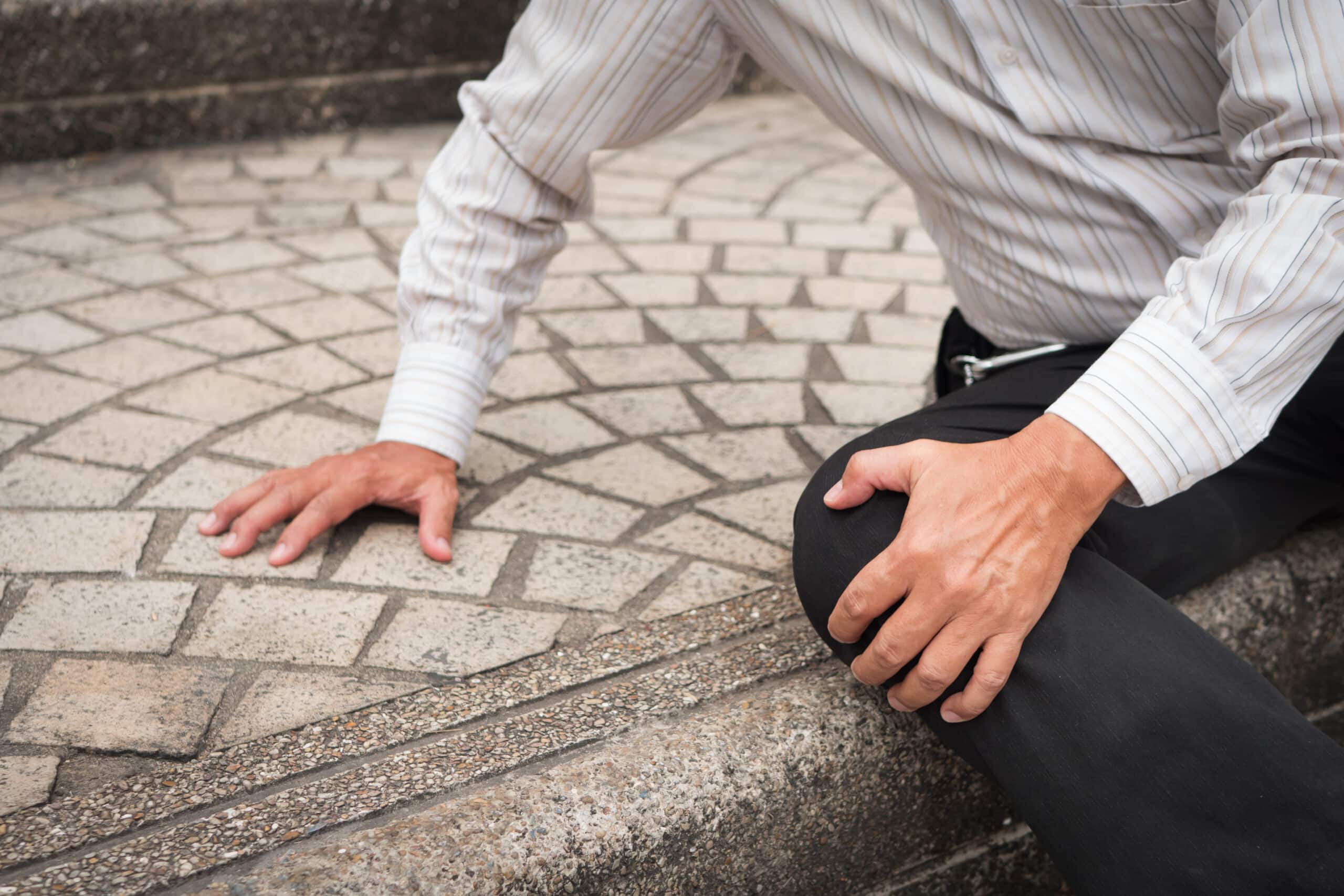
Slip and fall accidents can happen anywhere at any time. Whether you’re shopping at a local mall, walking in a park, or even visiting a museum, you run the risk of slipping and falling. And these accidents can be painful, costly, and disruptive to your daily life. So, who is responsible for slip and fall accidents in public places? Are the individuals involved solely to blame, or is it the responsibility of the property owners or managers? In this blog post, we’ll answer these questions and provide you with more information about slip and fall accidents.
What is a Slip and Fall Accident?
A slip and fall accident is a type of personal injury case where an individual slips, trips, or falls due to hazardous conditions on someone else’s property. These accidents can occur in both indoor and outdoor public places such as shopping centers, sidewalks, restaurants, office buildings, and more.
Common Public Places Causes of Falls
Common causes of slip and fall accidents include wet or slippery floors, uneven surfaces, inadequate lighting, and obstacles in walkways.
Slippery surfaces are one of the main causes of slip and fall accidents. These include wet or icy floors due to spills, leaks, or weather conditions. Uneven surfaces such as broken pavement, loose tiles, or potholes can also cause someone to trip and fall.
Inadequate lighting is another common cause of slip and fall accidents, especially in public places. Poorly lit areas make it difficult for individuals to see potential hazards and can lead to missteps or falls.
Furthermore, obstacles in walkways such as cords, cables, or debris can also cause someone to trip and fall. These hazards are often found in busy public places where there is a high volume of foot traffic.
Who Is Responsible For Slip and Fall Accidents In Public Places?
Firstly, it’s essential to understand the concept of premises liability. This legal doctrine states that property owners or managers have a responsibility to ensure that their property is reasonably safe for visitors. In other words, they must take steps to identify potential hazards and eliminate them or warn visitors about them.
So, if you slip and fall in a public place because of a hazard, such as a wet floor or uneven pavement, you may be able to hold the property owner or manager responsible for your injuries. To make a successful claim, you’ll need to prove that the property owner or manager knew or should have known about the hazard and failed to take steps to address it. However, it’s also possible for the individual involved in the slip and fall accident to be at least partially responsible. For example, if you were texting and not paying attention to your surroundings when you slipped on a wet floor, you may be found to be partially responsible for the accident.
Comparative Negligence
In these cases, the legal concept of comparative negligence applies. This means that the court will evaluate the degree of fault of each party involved and assign a percentage of responsibility. If you are found to be partially responsible, your compensation may be reduced accordingly.
It’s worth noting that slip and fall accidents can be complex and difficult to navigate without legal expertise. If you’ve been injured in a slip and fall accident in a public place, it’s crucial to speak to an experienced personal injury attorney to discuss your legal options.
Seek Medical Attention
Additionally, it’s important to seek medical attention immediately following a slip and fall accident, even if you feel fine. Many injuries, particularly head injuries, may not manifest immediately, and it’s crucial to have them diagnosed as soon as possible.
In summary, slip and fall accidents in public places can be the responsibility of both the property owner or manager and the individual involved. To make a successful legal claim, you’ll need to prove that the property owner or manager knew or should have known about the hazard and failed to take action. However, it’s also possible for the individual to be found partially responsible. If you’ve been injured in a slip and fall accident, it’s essential to seek legal and medical attention as soon as possible.
What to Do if You Suffer an Injury in a Public Place
If you do suffer an injury during a slip and fall accident, there are some steps you can follow to protect your health and legal rights:
- Seek medical attention immediately, even if you feel fine. As mentioned earlier, some injuries may not manifest right away.
- Take photos of the scene where the accident occurred. This can provide valuable evidence for your case.
- Get contact information from any witnesses present at the time of the accident.
- Report the incident to the property owner or manager, and make sure it is documented in writing.
- Contact a personal injury attorney for advice and representation. They can help you navigate the legal process and ensure that your rights are protected.
Be proactive about your safety by being aware of potential hazards in public places and taking precautions to avoid accidents. By understanding who may be held responsible for slip and fall accidents, you can protect yourself and your legal rights in case of an unfortunate incident. So always stay vigilant and stay safe!
Medical Care with Colorado Accident and Injury
If you have been involved in a slip and fall accident, Colorado Accident and Injury offers comprehensive medical care to help you recover. Our experienced team can provide personalized treatment plans tailored to your specific injury. We also work closely with attorneys to ensure that all legal aspects of your case are taken care of. Contact us today for more information and schedule a consultation.
No Comments