 (719) 917-1000

09 Jan New Year, Same Roads: Why Winter Is One of the Most Dangerous Times to Drive in Colorado
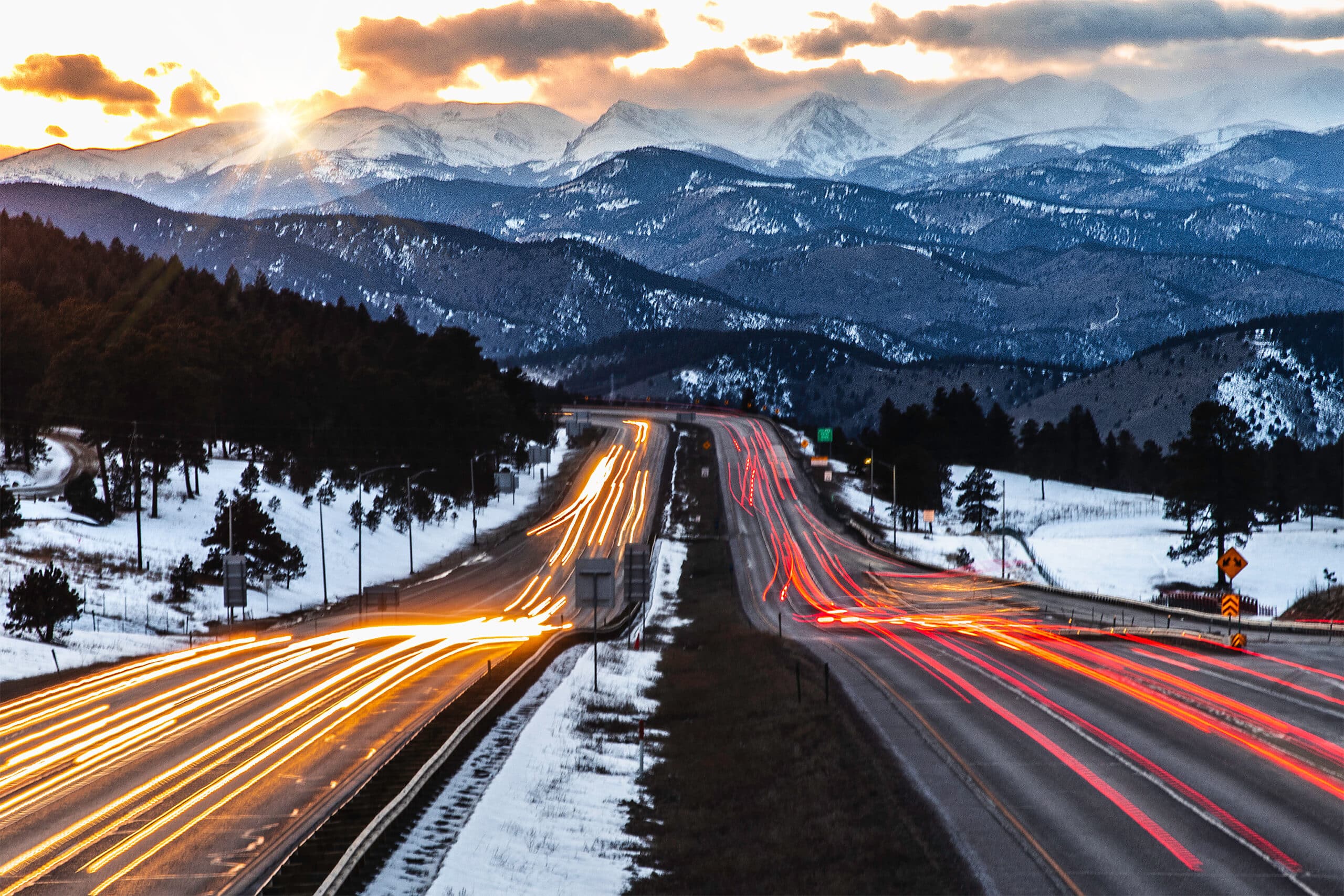
A new year brings fresh starts, new goals, and renewed routines—but Colorado roads do not reset with the calendar. Winter driving conditions remain unpredictable well into the new year, making January one of the most dangerous times to drive in Colorado.
Snow, ice, reduced daylight, and sudden weather changes create hazards that can catch even experienced drivers off guard. At Colorado Accident & Injury, we see firsthand how winter road conditions contribute to serious accidents and injuries every year. Understanding these risks is one of the most important steps in staying safe.
Winter Weather Creates Unpredictable Driving Conditions
Colorado’s winter weather can change rapidly, sometimes within minutes. Clear roads can quickly become slick due to snow squalls, freezing temperatures, or black ice—especially on bridges, overpasses, and shaded areas.
Even when roads appear dry, refreezing overnight can create dangerous conditions during early morning and evening commutes. Drivers may not realize how little traction is available until it is too late.
Winter weather reduces braking ability, limits visibility, and increases stopping distance, making even routine drives more dangerous.
Black Ice Is One of the Biggest Winter Driving Threats
Black ice is particularly dangerous because it is often invisible. It forms when moisture freezes on road surfaces, creating an almost undetectable layer of ice.
Black ice commonly appears:
-
Early in the morning or late at night
-
On bridges and overpasses
-
In shaded areas
-
After snow melts and refreezes
Because drivers may not see black ice, they often do not slow down enough to maintain control, leading to sudden skidding or loss of steering.
Reduced Daylight Impacts Driver Awareness
During winter months, daylight hours are significantly shorter. Many drivers find themselves commuting in the dark both in the morning and evening, increasing the risk of accidents.
Reduced visibility makes it harder to see road hazards, pedestrians, cyclists, and other vehicles. Glare from low winter sun can also temporarily impair vision, especially during sunrise and sunset.
Fatigue is another factor, as shorter days and disrupted sleep schedules can affect reaction time and focus.
Increased Holiday and Winter Travel
The weeks surrounding the new year often involve increased travel, whether for holidays, ski trips, or returning to work after time off. More vehicles on the road—combined with winter conditions—raises the likelihood of accidents.
Drivers unfamiliar with mountain roads or winter driving techniques may struggle in snow and ice, especially on steep grades or winding highways.
Winter tourism contributes to congestion on major routes, increasing the risk of collisions during peak travel times.
Vehicle Maintenance Matters More in Winter
Cold temperatures can affect vehicle performance in ways many drivers do not anticipate. Reduced tire pressure, worn tread, weak batteries, and delayed braking response can all contribute to winter accidents.
Winter driving requires:
-
Properly maintained tires with adequate tread
-
Functioning brakes
-
Clear windshields and headlights
-
Reliable heating and defrosting systems
Vehicles that are not winter-ready are more likely to lose traction or fail to respond in emergencies.
Even Safe Drivers Are at Risk
Many winter accidents occur not because of reckless driving, but because conditions change suddenly or other drivers make unexpected mistakes. Even cautious drivers can be involved in collisions caused by sliding vehicles, reduced stopping distances, or chain-reaction accidents.
This is why defensive driving and extra caution are essential during winter months.
Winter Accidents Often Lead to Serious Injuries
Crashes in winter conditions often involve higher forces due to sliding and loss of control. Common injuries include whiplash, back injuries, head trauma, fractures, and soft tissue damage.
In some cases, injuries may not be immediately noticeable. Pain, stiffness, or neurological symptoms can appear days later, making prompt medical evaluation essential after any accident.
What to Do After a Winter Accident
If you are involved in a winter car accident, prioritizing your health is critical. Even minor collisions can cause injuries that worsen without proper care.
After an accident:
-
Seek medical evaluation as soon as possible
-
Document injuries and symptoms
-
Follow recommended treatment plans
-
Avoid ignoring pain or discomfort
Early care supports recovery and helps prevent long-term complications.
Staying Safe on Colorado Roads This Winter
While winter driving in Colorado is unavoidable, awareness can reduce risk. Slowing down, increasing following distance, preparing your vehicle, and staying informed about weather conditions all help improve safety.
Even with precautions, accidents still happen. When they do, knowing where to turn for care matters.
Supporting Recovery After Winter Accidents
At Colorado Accident & Injury, we help individuals recover from injuries caused by auto accidents, including those that occur during winter driving conditions. Our focus is on restoring function, reducing pain, and supporting long-term healing.
Winter may be one of the most dangerous seasons to drive in Colorado, but informed decisions and proper care can make a meaningful difference. As the new year begins, staying aware of winter road risks is one of the best ways to protect yourself and others on Colorado roads.
No Comments